How to Clean a Burr Coffee Grinder
To clean a burr grinder, unplug it, empty the hopper, and brush loose grounds from accessible burrs and the chute. Remove or wash parts only as your model's manual allows, then dry and reassemble them fully.
On this page (10 sections)
- How to clean a burr grinder step by step
- What should you do before brushing the burrs?
- How do you brush a grinder's burrs and chute?
- Can you wash the hopper or other removable parts?
- Should you use grinder cleaning tablets or rice?
- How do you clean the Baratza Encore?
- What mistakes should you avoid during cleaning and reassembly?
- Why is the grinder still clogged after cleaning?
- When should you clean a burr grinder?
- What should you buy to keep your burr grinder clean?
To clean a burr grinder, unplug it, empty the beans and grounds, and brush accessible burrs and the chute with a dry, soft brush. Follow your model's manual for removing parts, washing components, and putting everything back together.
You usually need a brush and cloth, not a new grinder. Buy extra cleaning tools only when they solve an access problem or replace a worn brush.
How to clean a burr grinder step by step
Use a dry cleanup first, then wash only the removable parts your manual approves. Set aside a clear space so small parts and loose grounds don't disappear into the sink.
- Switch off and unplug the grinder.
- Empty the hopper and grounds container according to the manual.
- Note the grind setting and photograph how removable parts fit.
- Remove only the hopper, burr carrier, or other parts approved for routine cleaning.
- Brush accessible burr surfaces and the chute, directing grounds out into a waste bin.
- Wipe reachable surfaces with a clean, dry cloth.
- Wash approved parts separately and let them dry completely.
- Reassemble, check that everything is seated, and reconnect power.
Keep screws and small pieces in a shallow tray if the instructions require their removal. Don't open the motor housing or remove fixed burrs as part of a routine cleanup.
What should you do before brushing the burrs?
Empty the grinder and check its removal instructions before turning or lifting any parts. A hopper may need to sit at a particular position before it releases.
Move leftover beans into an airtight container. Avoid tipping the whole machine upside down, which can send loose coffee into areas you cannot easily reach.
Leave enough counter space to lift parts without hitting a cabinet. Put a towel beneath the work area to catch grounds, but keep that towel away from the exposed grinding chamber.
The OXO Brew suits households that want a removable 12 oz hopper and one-touch operation that remembers the last timer setting. Its UV-blocking hopper also helps shield beans in sunny kitchens.
Choose it if you want to keep beans ready for repeated brewing sessions. Skip a hopper-led buying decision if you measure one dose at a time; focus instead on the controls and brew methods covered in our OXO Brew grinder review.
How do you brush a grinder's burrs and chute?
Use light strokes to move loose grounds toward an opening, without forcing the brush into hidden passages. Brushing clears dry debris; it won't remove every trace of coffee oil.
Work around accessible surfaces a little at a time. Don't turn the burrs by hand unless your manual calls for it, and keep fingers away from sharp edges.
Which brush helps clean a burr grinder?
Choose a small brush with flexible bristles that can reach the areas your manual allows you to clean. A wide kitchen brush may sweep the counter well but struggle around a narrow chute opening.
This Acooruiteng brush has an aluminum handle and is about 13 cm long. It suits someone whose grinder lacks a brush or whose current brush is too bulky for reachable corners.
Skip it if your supplied brush already reaches those areas. Soft bristles are useful for loose coffee, but don't use extra pressure to attack a hard blockage.
Wash the brush separately with warm water and mild dish detergent, then towel-dry and air-dry it fully. Keep it reserved for coffee equipment so flour, spice dust, and other residues don't enter the grinder.
How should you clean the chute?
Brush outward from the accessible chute opening and collect the fallen grounds below it. Pushing debris inward can pack it more tightly.
Don't insert a knife, skewer, or other sharp tool. If light brushing doesn't clear the passage, use the model's blockage instructions rather than taking apart an unfamiliar section.
Can you wash the hopper or other removable parts?
Wash only parts approved in the manual, and keep the grinder body and electrical components dry. Being removable doesn't automatically make a component washable or dishwasher-safe.
Use a dry cloth for loose dust first. If washing is allowed, rinse away detergent and let seams, corners, and undersides dry fully before reassembly.
The Cuisinart Supreme Grind DBM-8 suits households making batches: its selector covers 4 to 18 cups, and it stops automatically. Its removable grounds chamber gives you a separate container to empty during cleanup.
Choose it if batch controls match your brewing routine and you'd use the included brush. Skip it if your main need is a cleaning accessory for a grinder you already like.
Check the manual to identify its top-rack dishwasher-safe parts. After cleaning, seat the components correctly: the Cuisinart's safety interlock prevents operation when it isn't properly assembled.
Should you use grinder cleaning tablets or rice?
Use cleaning tablets only with model-specific approval, and skip unapproved rice methods. A dry brush is the starting tool for loose grounds.
Coffee oils can leave a film that brushing alone doesn't remove. If tablets are permitted, follow the directions for quantity, grind setting, and any coffee needed afterward to clear residue.
Discard cleaning material and any coffee used to clear it. Don't substitute household cleaners, pour detergent through the burrs, or add liquids to the grinding path.
How do you clean the Baratza Encore?
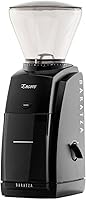
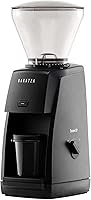
Unplug and empty the Encore, then follow its burr-removal instructions before brushing. Turn its on/off switch off first and keep the front-mounted pulse button untouched during cleaning.
Use our Baratza Encore cleaning walkthrough for the model-specific sequence. Note the position of each part before lifting it out so reassembly is easier.
The Encore suits home brewers who prefer a pulse button and simple on/off control. Its 40 grind settings give you room to adjust across brew methods, and Baratza backs it with a 1-year warranty.
Skip it if a remembered timer is central to your routine; the OXO offers that feature. Our Baratza Encore review helps you decide whether its controls suit you before replacing an existing machine.
What mistakes should you avoid during cleaning and reassembly?
Avoid moisture in the grinding path, forced parts, and incomplete reassembly. These mistakes can turn a routine cleanup into a blockage or a grinder that won't start.
Don't assume a towel-dried part is dry inside its seams. Wait until every washed component is fully dry, even if that delays your next grind.
Seat removable burr carriers and hoppers exactly as directed. Never defeat a safety interlock or force an adjustment ring that suddenly feels tight.
Before plugging in, remove the brush, cloth, and all loose tools. If the grinder makes an unusual scraping sound after reassembly, switch it off immediately and check the fit.
Why is the grinder still clogged after cleaning?
A blockage may remain beyond the brush's reach, or a part may be seated incorrectly. Check the manual's troubleshooting sequence before repeatedly restarting the motor.
If the motor runs without coffee coming through, stop and unplug it. Repeated runs won't resolve a packed passage and can put extra strain on the machine.
For that model, see why an OXO coffee grinder may not be grinding and the OXO grinder cleaning guide.
Once normal output returns, check your grind setting before brewing. Use the coffee grind size chart to choose a starting point, then adjust for your brew rather than changing several settings at once.
When should you clean a burr grinder?
Inspect regularly and clean according to buildup and the manual's schedule. If you grind daily, a weekly look at reachable areas is a useful starting habit.
Empty the grounds container after brewing and sweep away visible loose coffee. Check sooner when output slows, residue becomes sticky, or you switch between strongly different coffees.
Oily beans can leave more film, while frequent grinding moves more coffee through the chute. Those patterns call for closer inspection, not a fixed cleaning schedule that ignores how you use the machine.
For broader care topics, browse the clean and fix guides.
What should you buy to keep your burr grinder clean?
Keep your current grinder if it works well and buy only the tool you're missing. Knowing how to clean a burr grinder starts with access, dry brushing, and correct reassembly.
Choose the separate Coffee Grinder Cleaning Brush if you need a small tool for accessible corners. If you own the Cuisinart, start with its included brush.
For a replacement grinder, choose the OXO for remembered timer operation, the Encore for simple manual controls, or the Cuisinart for batch selection. None removes the need for regular care.
Follow the Baratza Encore cleaning walkthrough if that's your machine. If you're replacing a grinder, use our burr coffee grinder buying guide to match the next one to your brewing routine.
Frequently asked questions
How often should you clean a burr grinder?
Check for loose grounds weekly if you grind daily, then adjust your cleaning schedule to the buildup you find. Follow the manual's schedule for deeper cleaning, and inspect sooner if output slows or coffee smells stale.
Oily beans and frequent use can leave more residue.
Can you wash burr grinder burrs with water?
Keep burrs dry unless your grinder's manual specifically allows washing them. Moisture can cause corrosion on some metals and make leftover coffee clump inside the grinding path.
Wash only approved removable parts, away from the grinder body, and let them dry completely before you put them back.
Can you use rice to clean a burr grinder?
Skip rice unless your grinder's manual explicitly approves it. Hard grains can strain the grinding mechanism, and rice can leave powder behind.
Start with a dry brush for loose grounds, and use grinder cleaning tablets only if the manufacturer permits them for your specific model.
What should you use to clean a coffee grinder?
Start with a dry, soft brush and a clean cloth reserved for your coffee equipment. The brush removes accessible grounds, while the cloth wipes reachable surfaces.
Use water or detergent only on parts approved for washing, and keep both away from the motor housing and electrical components.