5 Best Coffee Grinders for French Press (October 2026)
The best coffee grinders for French press include the OXO Brew Conical Burr Grinder for daily French press drinkers, the Baratza Encore for simple morning routines, and the Cuisinart Supreme Grind DBM-8 for larger household batches.
On this page (8 sections)
- Which is the best coffee grinder for French press?
- What matters most when choosing a French press grinder?
- How do you set up a grinder for French press?
- How can you reduce sludge without losing flavor?
- Can one grinder handle French press and drip coffee?
- How should you clean a French press coffee grinder?
- Which common mistakes make French press coffee worse?
- Which French press grinder should you buy?
The OXO Brew Conical Burr Grinder is the best coffee grinder for French press for most homes because its coarse range and remembered timer make a daily recipe easy to repeat. Choose the Baratza Encore for simple switch controls, or the Fellow Opus 2 if you often change beans and want continuous adjustment.
French press needs grounds that extract well during a long steep without sending too much powder through the mesh. A useful coarse range matters more than the biggest setting count or hopper.
Our complete burr grinder buying guide explains the main designs. Use the coffee grind size chart to picture a starting grind before adjusting by taste.
Our picks at a glance
-
1

-
2

-
3

Which is the best coffee grinder for French press?
The OXO is the first choice for a repeat daily routine, while the other grinders suit different ways of measuring, adjusting and brewing coffee. We compared their grind controls, dosing features and care needs, with French press use as the priority.
The order reflects fit for that job. A grinder with more espresso controls is useful only if those controls solve a problem in your kitchen.
| Product | Best for | Burrs | Grind adjustment | Bean hopper | Our score |
|---|---|---|---|---|---|
| OXO Brew Conical Burr Grinder | daily French press drinkers | 40 mm stainless steel conical | 15 settings plus 43 micro-adjustments | Up to 12 oz | 9.1 |
| Baratza Encore | simple morning routines | 40 mm conical steel | 40 settings | 8.9 | |
| Cuisinart Supreme Grind DBM-8 | larger household batches | Stainless steel flat burrs | 18 levels | 8 oz | 8.4 |
| Breville Smart Grinder Pro | multi brewer households | 60 settings | 18 oz | 8.1 | |
| Fellow Opus 2 | frequent bean changes | 48 mm conical | Stepless | 7.9 |
OXO Brew Conical Burr Grinder: Best for daily French press drinkers
- 40 mm stainless steel conical burrs
- 15 settings plus 43 micro-adjustments
- Hopper holds up to 12 oz
- One-touch start remembers the timer setting
A coarse adjustment range and remembered timer suit households that repeat the same French press recipe. The removable hopper gives you room for several batches.
Pros
- Coarse range for French press
- One-touch timer remembers its setting
- Removable hopper with UV-blocking tint
Cons
- Fixed adjustment steps rather than continuous control
- Timer doses still need weighing when you change beans
Choose the OXO if you make French press most mornings and want to keep the process short. Once you find a dose and grind you like, its one-touch timer remembers the time setting for the next run.
Its 15 main settings plus 43 micro-adjustments give you room to refine a coarse starting point. OXO says its 40 mm stainless steel conical burrs produce uniform grounds, which is the aim when trying to avoid a mix of large chunks and powder.
The removable hopper holds up to 12 oz of beans and has a UV-blocking tint. That suits repeated batches, but you don't need to fill it: keeping only a working supply in the hopper makes more sense than treating it as long-term storage.
The timer is a convenience, not a scale. Weigh the grounds while you establish your recipe, then check the dose again after changing coffee or grind size.
Skip the OXO if direct switch-and-pulse control appeals more than timed grinding. The Encore suits that approach, while the Fellow gives you adjustment between fixed positions.
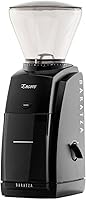
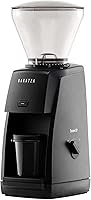
Baratza Encore: Best for simple morning routines
- 40 grind settings
- 40 mm conical steel burrs
- Front pulse button and on/off switch
- Hopper rotates to select grind size
The Encore suits people who want to weigh their beans, choose a grind position and use a simple switch. Its pulse button gives you a separate control for short runs.
Pros
- Simple switch and pulse controls
- Fixed positions help you record recipes
- Baratza provides a 1-year warranty
Cons
- Switch-and-pulse workflow requires you to control the run
- Cannot adjust between fixed grind positions
Choose the Baratza Encore if you prefer to weigh your beans and control grinding yourself. Its front pulse button and on/off switch keep the workflow direct, without a screen or programmed dose to manage.
Rotate the hopper to choose among 40 grind settings, including a range for French press. Fixed positions are useful if you share the grinder with someone who makes filter coffee and want a clear setting to return to.
The Encore has 40 mm conical steel burrs made from hardened alloy steel. Baratza backs it with a 1-year warranty, so support terms are another concrete part of the buying decision.
For a weighed batch, measure the beans first, grind into the catch container and check the output as you learn the routine. The pulse button gives you control over short runs, but it does not measure the coffee for you.
Skip the Encore if your priority is a programmed cycle that stops for you. Its appeal is the simple control layout, rather than the dosing features offered by the OXO, Cuisinart or Breville.
Our Baratza Encore grind setting guide helps you establish separate positions for different brewers.
Cuisinart Supreme Grind DBM-8: Best for larger household batches
- 18 grind levels
- Extra-coarse option for French press and cold brew
- 4 to 18 cup selector
- Removable 8 oz bean hopper
The cup selector and automatic stop suit households that grind for several drinkers. Weigh the output while setting up your recipe because cup labels do not define a coffee dose.
Pros
- Batch selector with automatic shutoff
- Extra-coarse option for immersion brewing
- Removable hopper and grind chamber
Cons
- Fewer grind positions for small recipe changes
- Cup selector starts at 4 cups
Choose the Cuisinart Supreme Grind DBM-8 if you usually grind for several people and prefer a batch selector. Its 4 to 18 cup control sets a grinding cycle, then automatic shutoff ends the run.
The grinder has 18 grind levels, including an extra-coarse option for French press and cold brew. Stainless steel flat burrs handle the grinding, while a removable 8 oz hopper and removable grounds chamber make filling and emptying easier.
Treat the cup labels as a starting aid. A French press's advertised cup count may bear little relation to your mug size, so weigh a completed batch before trusting a selector position for your recipe.
The grounds chamber can hold enough coffee for up to 32 cups, according to Cuisinart. That is storage capacity, separate from the amount selected for a grinding cycle, and it isn't a reason to grind several days ahead.
Skip it if you make small individual servings or enjoy refining grind size in small steps. The selector starts at 4 cups, and its adjustment range offers fewer positions than several alternatives here.
Our best burr coffee grinders roundup offers a wider comparison if French press is only one part of your search.
Breville Smart Grinder Pro: Best for multi brewer households

- 60 grind settings
- Digital grind time adjusts in 0.2-second increments
- LCD shows setting, time and selected cups or shots
- 18 oz bean hopper
Programmable timing, a display and several ways to catch grounds suit households using French press alongside other brewers. It makes sense when you will use those extra controls.
Pros
- Fine control over programmed grind time
- Display keeps dose settings visible
- Includes a grounds container and portafilter cradles
Cons
- More controls to learn for a French-press-only routine
- Tallest grinder in this group
Choose the Breville Smart Grinder Pro if French press shares counter space with other brewing gear. Its 60 grind settings, cup-or-shot controls and different dispensing options suit a household with several coffee routines.
Digital grind time adjusts in 0.2-second increments. The LCD shows grind setting, time and selected cups or shots, giving you a visible reference when you record a recipe.
That timing control is useful for repeating a dose after you establish the right run length. It still measures time rather than weight, so a new bean or grind position calls for another dose check.
Breville includes a grounds container with a sealing cap, 2 portafilter cradles and a cleaning brush. Grounds can go into a container, filter basket or portafilter, making the extra equipment relevant if you use more than a press.
Its 18 oz hopper suits repeated grinding, but check cabinet clearance before choosing it. At 15.33 inches tall, it is the tallest option here, and you also need access above it for filling.
Skip the Breville if you only want one coarse setting and a short morning routine. The extra controls make more sense when you'll use them across several brewers.
Fellow Opus 2: Best for frequent bean changes

- 48 mm conical burrs
- Stepless grind adjustment
- Built-in grind guide
- Two magnetic catch cups included
Fellow's low-retention design suits people who often change coffee, while continuous adjustment allows small grind changes. A guide under the lid provides brew-method starting points.
Pros
- Continuous grind adjustment
- Tool-free burr access
- Automatic shutoff and magnetic catch cups
Cons
- No fixed steps to count when returning to a recipe
- Small adjustments require more careful position tracking
Choose the Fellow Opus 2 if you often move between coffees or want to adjust between fixed grind steps. Its stepless control lets you make continuous changes, and the guide under the lid provides a French press starting point.
Fellow says the design minimizes retained grounds, reducing the coffee left inside to carry into the next batch. That feature is relevant if you alternate regular and decaf coffee or switch beans often, though it does not promise complete separation between batches.
The grinder uses 48 mm conical burrs and includes 2 magnetic catch cups. Use the cup intended for coarser grounds for your French press workflow.
Fellow also includes anti-static technology to reduce clinging and scattered grounds, plus automatic shutoff. Tool-free burr access helps with routine care, and the brand provides a 2-year standard warranty.
Skip it if counting fixed steps is your preferred way to return to a recipe. With continuous adjustment, keep a clear note or photo of your preferred dial position.
For a French-press-only household, its strongest reasons to buy are the bean-changing workflow and care features. Tiny grind changes matter less if you rarely alter your recipe.
What matters most when choosing a French press grinder?
Prioritize a useful coarse range, repeatable controls and a dose workflow you will follow. Setting count, burr shape and hopper size help describe a grinder, but none alone tells you which one suits your press.
How to choose the best French press coffee grinder for your routine
Start with how you measure coffee. If you weigh beans for every batch, a simple switch can be enough; if you keep beans in the hopper, a remembered timer or batch selector can shorten the routine.
Next, consider how often you change methods. Fixed steps make positions easy to record, while continuous adjustment gives you room between positions but asks for closer tracking.
A French-press-only buyer can place less weight on portafilter accessories and espresso controls. Spend attention on the coarse range and daily handling before features intended for another brewer.
Why grind consistency matters more than the setting count
A fairly even grind helps the grounds extract at a similar pace. Lots of powder mixed with large pieces can produce a cup that tastes harsh yet still lacks sweetness and depth.
Some fine particles are normal, and a French press's mesh won't remove them all. Buying a burr grinder gives you more size control than chopping beans with a blade, but it won't make mesh-filtered coffee behave like paper-filtered coffee.
Our burr grinder versus blade grinder comparison explains why changing the grinding method can matter more than adding more numbered settings.
How much hopper and counter space do you need?
Choose hopper capacity for refill convenience, not as a measure of brewing quality. A large hopper helps if several people use the same beans, while frequent bean changes favor loading smaller amounts.
Measure the counter area and leave space to remove the grounds container. Check access for lifting the hopper lid too, since fitting beneath a cabinet is different from being easy to refill there.
Avoid choosing by motor wattage or burr diameter alone. Neither gives you a complete picture of coarse-ground quality, and they say little about how comfortable the controls will feel each morning.
How do you set up a grinder for French press?
Start with a weighed dose, a coarse setting and a fixed recipe, then adjust one thing at a time. That gives you a useful baseline instead of guessing which change improved the coffee.
Establish a dose before changing grind size
A practical starting ratio is 1 part coffee to 15–16 parts water by weight. For example, use 30 g of coffee with 450–480 g of water, then adjust the ratio later if you prefer a different strength.
Leave enough space in the press for the grounds and brewing process. Use the amount of water you actually add, rather than relying on the brewer's nominal cup count.
If you use a timed grinder, collect and weigh its output. Adjust the run length until it delivers your target dose, and record both the grind position and time.
Start coarse without choosing the largest possible particles
Use the grinder's French press guidance or a coarse position as your first reference. Aim for fairly even, visible particles rather than flour, but don't assume the coarsest setting must taste best.
Very large pieces can leave the cup weak or sour if the brewing time is too short for them. A slightly finer grind may improve flavor, provided you manage sediment and avoid forcing the plunger.
Follow the grinder's instructions when moving toward a finer setting. Beans caught between the burrs can affect how an adjustment should be made.
Keep the brew steady while you refine the grind
Use the same dose, water amount and steep time for your first few brews. Start around 4 minutes, wet all the grounds and use water just off the boil as a practical baseline.
If the cup tastes thin and sharply sour, move slightly finer while holding the rest of the recipe steady. If it tastes harsh or leaves a dry feeling, try a little coarser.
Those are starting clues, not diagnoses of every flavor problem. Roast level, water and coffee strength also affect taste, so make one small change and compare the next cup.
How can you reduce sludge without losing flavor?
Reduce sludge through controlled grinding, gentle pouring and leaving the final sediment behind. Making every grind much coarser can reduce some powder in the cup but may also weaken extraction.
After steeping, let disturbed grounds settle before pouring. Lower the plunger gently and stop if you meet strong resistance; forcing it can push coffee upward or splash hot liquid.
Pour steadily rather than shaking out the final drops. Leaving a small amount of coffee in the press keeps more settled particles out of your mug.
If a familiar recipe suddenly produces more sediment, check the press mesh and grinder assembly. A poorly seated filter or incorrectly reassembled burr can change the result without any deliberate recipe change.
Expect some body and sediment from a metal mesh filter. If you want a much cleaner cup, paper-filtered brewing may fit your preference better than chasing an ever-coarser French press grind.
Can one grinder handle French press and drip coffee?
Yes, all 5 picks cover both methods, but each brewer needs its own grind and dose reference. Drip usually calls for a finer grind than a coarse French press starting point.
Write down both recipes and check the dose after switching. The same timer setting can deliver a different weight at another grind position, so returning to the right dial mark is only part of the job.
A little coffee may remain inside a grinder between runs. If the first batch after a large adjustment behaves differently, keep that carryover in mind before changing your whole recipe.
For households that mostly use a filter brewer, our best coffee grinders for drip coffee guide puts that routine first. Use the grind size guide by brew method to compare starting textures.
How should you clean a French press coffee grinder?
Remove loose grounds and built-up coffee oils regularly, following the grinder's care instructions. A clear grounds path and correctly seated parts help keep your routine repeatable.
Unplug the grinder before opening it for cleaning. Empty the hopper and catch container, then use a dry brush on accessible areas that the manual allows you to reach.
Keep water away from the motor and burr chamber unless the manufacturer gives a specific cleaning method that permits it. Wash removable parts only as directed, and let them dry fully before reassembly.
Clean sooner if you see buildup, notice grounds catching in the chute or change between coffees often. For a fuller routine, follow our guide to cleaning a burr grinder.
After removing burr parts, check their orientation and seating before grinding again. Confirm your preferred setting and dose afterward instead of assuming the previous recipe will transfer unchanged.
Which common mistakes make French press coffee worse?
The biggest mistakes are confusing dose with grind size, changing several variables and treating the coarsest setting as a rule. Correct those habits before deciding you need another grinder.
Using cup labels as a coffee measurement
A grinder's cup selector and a press's cup markings don't define your mug size or preferred strength. Establish the dose in grams first, then use the selector as a shortcut once you know its output.
Filling the hopper just because it has room
You don't need to use all the available capacity. Keep the rest of your beans sealed away from heat, light and moisture, especially if you brew slowly or alternate coffees.
Changing grind, time and coffee amount together
Several changes at once make it hard to learn what worked. If the strength seems right but flavor needs work, hold the ratio steady and adjust grind or steep time separately.
Leaving brewed coffee on the grounds
Coffee left in the press stays in contact with the grounds. Pour the finished batch into mugs or another vessel if you won't drink it promptly, rather than using the press as a serving pot for an extended period.
Expecting the timer to measure weight
Timed grinding repeats a run length, not a guaranteed mass of coffee. Recheck the output when changing beans, adjusting grind size or noticing a shift in brew strength.
Which French press grinder should you buy?
Choose the best coffee grinder for French press by your daily workflow. A feature earns its place when it helps you measure, repeat or care for the grinder.
- Choose OXO if you repeat a daily press recipe and want a remembered timer.
- Choose Baratza Encore if you prefer weighing beans and using direct switch-and-pulse controls.
- Choose Cuisinart if you usually grind household batches and want a cup selector with an automatic stop.
- Choose Breville if several brewers share one grinder and you will use programmable dosing and its display.
- Choose Fellow Opus 2 if you often change coffee and value its low-retention design, continuous adjustment and accessible burrs.
Before adding more features, settle on the way you want to measure coffee each morning. Then use the coffee grind size chart to establish your first coarse setting and refine it with a steady recipe.
Our top 3 picks at a glance
-
1
-
2
-
3
Frequently asked questions
What grind size should I use for French press?
Start with a coarse, fairly even grind, then adjust using the flavor of your brew. Move slightly finer if the coffee tastes thin and sour, or coarser if it tastes harsh and dry.
Use our coffee grind size chart for a visual starting point, keeping dose and steep time steady.
Do I need a burr grinder for French press?
A burr grinder is the better choice for repeatable French press coffee because it gives you control over particle size. A blade grinder can leave large pieces mixed with powder, which makes extraction harder to manage.
Our complete burr grinder buying guide explains the designs and controls worth considering.
How many grind settings do I need for French press?
You need a useful coarse range with room to adjust in both directions, rather than a particular number of settings. More positions can help you refine a recipe, but the total count does not show how many fall within the French press range.
Choose controls you can return to reliably.
Can I use one grinder for French press and drip coffee?
Yes, all 5 grinders here cover French press and drip or filter brewing. Record a separate grind position and dose for each brewer, since changing grind size can also change how much coffee a timed cycle delivers.
Expect to refine those starting positions when you switch beans or change your recipe.