6 Best Coffee Grinders for Pour Over (October 2026)
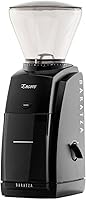
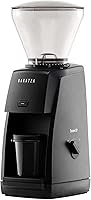
The best coffee grinders for pour-over brewing include the OXO Brew Conical Burr Grinder for daily pour over, the Baratza Encore for first-time burr buyers, and the Cuisinart Supreme Grind DBM-8 for group brewing.
On this page (7 sections)
- Which features matter in the best coffee grinder for pour over?
- Which pour-over grinder fits your routine?
- How should you choose a pour-over grinder?
- How do you set up a grinder for better pour over?
- How should you clean and care for a pour-over grinder?
- Which common mistakes make pour-over coffee harder to improve?
- Which is the best coffee grinder for pour over for your home?
The OXO Brew Conical Burr Grinder is the best coffee grinder for pour over for most people because it combines small grind adjustments with easy daily controls. Choose the Baratza Encore for a simpler learning routine or the OXO Brew Compact when counter space matters most.
Your grinder should help you repeat a good cup and make a clear change when the coffee tastes off. That means useful adjustment, a batch size that fits your brewer and controls you'll want to use each morning.
If you're comparing burr styles before choosing, start with our guide to conical vs flat burr grinders. For options beyond this pour-over shortlist, see the best burr coffee grinders.
Our picks at a glance
-
1

-
2

-
3

Which features matter in the best coffee grinder for pour over?
Repeatable grind adjustment and a suitable daily workflow matter more than the largest burrs or the longest feature list. We compared these grinders by their adjustment systems, controls, capacity and access for care.
Pour over relies on water moving through a bed of grounds. A change in grind size changes the surface exposed to water and can affect how easily that water drains.
You need enough control to refine that process without making the routine awkward. A batch selector can help a household brewing several servings, while a smaller hopper may fit someone weighing beans for one cup.
The picks run from highest to lowest score, but their best uses differ. A lower-ranked compact or timed model can still be the right choice when its controls solve your main daily need.
| Product | Best for | Burrs | Grind settings | Hopper capacity | Our score |
|---|---|---|---|---|---|
| OXO Brew Conical Burr Grinder | daily pour over | 40 mm stainless steel conical | 15 settings plus 43 micro-adjustments | 12 oz | 9.1 |
| Baratza Encore | first-time burr buyers | 40 mm conical steel | 40 | 8.9 | |
| Cuisinart Supreme Grind DBM-8 | group brewing | 18 | 8.4 | ||
| OXO Brew Compact Conical Burr | small kitchens | 15 settings plus 29 micro-adjustments | 8.3 | ||
| Baratza Virtuoso+ | timed morning routines | Hardened steel conical | 40 | 8.2 | |
| Fellow Opus 2 | mixed brew households | 48 mm conical | 7.9 |
Which pour-over grinder fits your routine?
Choose the full-size OXO for everyday convenience, then consider the other picks for simpler controls, group batches, smaller spaces, timed runs or mixed brewing methods. Each choice below includes a reason to buy and a reason to skip it.
OXO Brew Conical Burr Grinder: Best for daily pour over
- 40 mm stainless steel conical burrs
- 15 grind settings plus 43 micro-adjustments
- 12 oz bean hopper
- One-touch timer remembers the last setting
Small grind adjustments suit daily pour-over brewing, while the remembered timer setting simplifies repeat batches. The larger hopper fits households that keep one coffee ready to grind.
Pros
- Small adjustments for refining recipes
- Removable hopper
- Remembers the previous timer setting
Cons
- Large hopper offers little benefit when weighing beans for each brew
The OXO Brew Conical Burr Grinder suits someone who makes pour over most days and wants room to refine the recipe. Its 15 settings plus 43 micro-adjustments allow smaller changes without requiring a fully stepless dial.
The one-touch timer remembers your previous time setting. That's useful when you keep the same beans and recipe, though you should still weigh the grounds when dialing in a new coffee.
Its removable hopper holds 12 oz of beans and has a UV-blocking tint. The tint helps shield beans from sunlight, but it doesn't make a sunny counter a good place for long-term coffee storage.
Keep only the amount of coffee you expect to use soon in the hopper. Store the rest sealed away from heat and light so convenience doesn't come at the expense of freshness.
Choose this OXO for regular brewing with one main coffee. Skip it if you weigh a small dose before every brew and need the smallest possible body, since the larger hopper adds little to that routine.
Our home coffee grinder buying guide explains how to weigh these features against your habits.
Baratza Encore: Best for first-time burr buyers
- 40 grind settings
- 40 mm commercial-grade conical burrs
- Front-mounted pulse button
- Simple on/off switch
Straightforward controls suit learning a repeatable pour-over recipe. Fixed grind steps make it easy to record a setting and return to it.
Pros
- Simple controls
- Numbered grind steps
- Narrow footprint
Cons
- Fixed steps limit changes between neighboring settings
The Baratza Encore is a good fit for a first burr grinder because its controls keep the learning process simple. You can focus on your recipe instead of programming a grinding cycle.
A front pulse button handles short bursts, while the on/off switch supports a continuous run. Its 40 numbered grind settings give you positions to record as you learn what works with your dripper.
For pour over, those fixed positions make a useful reference. Write down your setting alongside the bean name and dose, then move one step at a time when the cup needs a change.
The body measures 5.91 in long, 5.12 in wide and 13.39 in tall. Leave room above it to add beans rather than measuring cabinet clearance against the grinder's height alone.
Choose the Encore if you want direct controls and clear setting references. Skip it if a remembered timer is central to your morning routine, or if you want continuous adjustment between fixed positions.
Our Baratza Encore review covers its features and suitability for daily brewing in more detail.
Cuisinart Supreme Grind DBM-8: Best for group brewing
- 18 grind levels
- Removable 8 oz bean hopper
- Cup selector from 4 to 18
- Automatic shutoff
The batch selector suits households preparing several servings together. Weigh the grounds to match your pour-over recipe rather than treating the cup marks as a dose measurement.
Pros
- Batch-size selector
- Removable bean hopper
- Automatic shutoff
Cons
- Cup selector starts at 4 cups
- Fewer adjustment positions than the other stepped picks
The Cuisinart Supreme Grind DBM-8 suits households grinding for several people at once. Its 4-to-18-cup selector gives you a way to choose a batch, followed by automatic shutoff.
Treat those cup marks as batch guides rather than exact coffee weights. Your mug size, brew ratio and preferred strength determine the dose, so weigh the output before settling on a routine.
The grinder uses stainless steel flat burrs with 18 grind levels and a removable 8 oz hopper. Compared with the other stepped picks here, it offers fewer positions for finding a grind between neighboring settings.
That makes it a better match for a household that settles on a familiar recipe than someone who wants frequent small adjustments. Its large grounds chamber also gives you space for group batches, though grinding coffee far ahead sacrifices freshness.
Choose it for shared breakfasts or a larger pour-over brewer. Skip it if you mainly make one small cup and want controls centered on that dose, since the batch selector starts above a single serving.
OXO Brew Compact Conical Burr: Best for small kitchens

- 15 settings plus 29 micro-adjustments
- 50 g bean capacity
- Stainless steel conical burrs
- Upper and lower burrs come apart for cleaning
The narrow body suits crowded counters and smaller daily brews. Accessible burrs and a grounds-container spout help with care and transferring coffee into a filter.
Pros
- Compact footprint
- Grounds-container pouring spout
- Burrs come apart for cleaning
Cons
- Batches needing more than 50 g require refilling
The OXO Brew Compact Conical Burr suits a small kitchen where the grinder needs a permanent corner or easy storage. Its body measures 3.75 by 3.75 by 10.75 in, with a 50 g bean capacity.
Compare that capacity with your actual recipe rather than a cup count. A dose of 20 g fits easily, while a batch requiring 60 g means loading beans more than once.
The grinder provides 15 settings plus 29 micro-adjustments. Its grounds container has a pouring spout, which helps direct coffee into a filter without tipping a wide bin over a narrow brewer.
The chuteless design gives access for cleaning, and the upper and lower burrs come apart. Those features are useful if easy care matters as much as saving counter space.
Choose it for smaller daily batches and crowded counters. Skip it if you often grind large doses back to back, since repeated refilling adds a step to each session.
Before storing it under a cabinet, allow space to remove the container and reach the hopper comfortably.
Baratza Virtuoso+: Best for timed morning routines

- 40 grind settings
- 40-second digital timer adjustable to a tenth of a second
- LED-lit grounds bin
- Hardened steel burrs
The adjustable timer suits repeating a familiar morning batch. The lit grounds bin helps you see the coffee collecting, while a scale confirms the dose.
Pros
- Fine timer adjustments
- LED-lit grounds bin
- Numbered grind settings
Cons
- Timed grinding does not measure the dose by weight
The Baratza Virtuoso+ suits someone who repeats the same morning recipe and wants a timer to handle the run. Its 40-second digital timer adjusts in tenths of a second, giving you close control over grinding duration.
The timer measures time rather than coffee weight. Set it by weighing the grounds from an initial run, then check again when you change beans or grind size.
Its LED-lit grounds bin helps you see the coffee collecting. That adds visibility during dim mornings, but a scale remains the useful tool for confirming how much coffee will reach your brewer.
The grinder has 40 grind settings and hardened steel conical burrs. Record both the grind position and timer duration so you can return to the same routine.
Choose the Virtuoso+ when repeating a timed batch is a feature you'll use every day. Skip it if you already weigh every bean dose and prefer to control the run yourself, since the timer contributes less to that workflow.
For a closer look at those control differences, see our Baratza Encore vs Virtuoso+ comparison.
Fellow Opus 2: Best for mixed brew households

- 48 mm conical burrs
- Stepless grind adjustment
- Built-in grind guide
- Automatic shutoff
Continuous adjustment suits households making pour over alongside espresso and other methods. The guide under the lid provides starting points, and tool-free burr access supports regular care.
Pros
- Continuous grind adjustment
- Built-in starting guide
- Anti-static technology
Cons
- Returning to an exact position takes care without fixed clicks
The Fellow Opus 2 suits a household making pour over alongside espresso, French press or cold brew. Its stepless adjustment lets you move continuously rather than choosing between fixed grind positions.
That freedom is useful when a small change matters, but returning to an exact position takes care. Keep a clear note of your preferred dial position for each recipe instead of relying on memory.
The grinder has 48 mm conical burrs and a quick-reference guide under the lid. Use that guide for a starting point, then adjust for your beans and brewer.
Fellow says its anti-static technology reduces grounds clinging and scattering, while its low-retention design minimizes coffee left inside. Weigh the output when switching coffees so your recipe starts with the intended dose.
Two magnetic catch cups support different uses, including an espresso cup compatible with 54 mm and 58 mm portafilters. Tool-free burr access helps with regular care.
Choose it if several brewing methods share one grinder. Skip it if you want simple click positions for one daily pour-over recipe and won't use its espresso-related features.
How should you choose a pour-over grinder?
Choose by your normal batch, preferred controls and adjustment needs, then check that the grinder fits your kitchen. Buying for a rare large gathering can leave you with an awkward routine for every ordinary morning.
How much adjustment does a pour-over coffee grinder need?
You need enough adjustment to move from a fast, thin brew toward a balanced one without overshooting into a slow, harsh cup. Total setting counts don't show how closely the useful pour-over positions sit together.
Fixed steps make settings easy to record and share. Continuous adjustment gives more freedom between positions, but asks you to track the dial more carefully.
Don't choose by burr diameter alone. Size and shape don't establish which grinder will produce your preferred cup, so give daily controls and usable adjustment equal attention.
What capacity fits your usual recipe?
Match capacity to grams of coffee per brew, not the number of cups printed on a selector. Cup sizes vary, and stronger recipes use more beans for the same amount of water.
For example, a 1:16 coffee-to-water ratio uses 20 g of coffee with 320 g of water. A 40 g dose at that ratio uses 640 g of water, which helps you judge whether a small hopper covers your normal batch.
A large hopper doesn't need to stay full. If you rotate coffees often, loading a measured dose can be more practical than keeping several days of one bean inside.
Should you choose manual controls or a timer?
Choose manual controls if you like weighing beans first and deciding when to end the run. Choose a timer if you prefer repeating a familiar batch with fewer button presses.
A remembered duration doesn't lock in a dose forever. Beans, grind changes and the amount of coffee feeding the burrs can affect output, so keep a scale nearby.
Does burr shape decide the purchase?
Both flat and conical burrs can serve pour over. Choose the complete grinder rather than assuming one burr shape guarantees a certain flavor.
Adjustment, coffee choice and brewing technique all matter to the finished cup. Our conical vs flat burr comparison explains the designs without making burr shape the only buying rule.
How do you set up a grinder for better pour over?
Start with a medium grind and a fixed recipe, then change one variable at a time. Follow the grinder's instructions for assembly and adjustment before loading beans.
Place the grinder on a dry, stable counter with room to remove the grounds container. Check that removable parts are seated correctly, and keep the manual's adjustment directions handy.
Set a starting recipe before changing the dial
Use a scale to measure both coffee and water so a dose change doesn't get mistaken for a grind problem. A starting ratio of 1:16 works as a reference, with room to change strength later.
Rinse the paper filter, add the grounds and gently level the bed. Keep the dripper, filter type and water temperature the same while you find a useful grind setting.
Grind shortly before brewing and transfer the grounds carefully. Check the amount in the filter if coffee remains in the container or spills during transfer.
Use taste and flow together
Move finer when the cup tastes thin or sour and water passes through unusually quickly. Move coarser when the cup tastes harsh or drying and the brew drains much more slowly than usual.
Neither taste nor drain time gives a complete answer alone. A bitter coffee can reflect the roast, while slow drainage can come from filter clogging or a pouring change.
If a brew behaves very differently, check those causes before making a large adjustment. Keep each dial change small enough that you can learn from the next cup.
Keep your pouring pattern steady
Use a similar bloom, number of pours and pouring height while dialing in. Strong stirring or a forceful stream can move fine particles into the filter and slow drainage.
Don't chase one universal brew time across different drippers. Filter thickness, brewer shape and batch size change the flow, so compare each brew with your own repeatable baseline.
Record the result you want to repeat
Write down the beans, grind position, coffee dose, water amount and rough brew time. Add a short taste note such as “thin,” “sweet” or “dry finish.”
When you change coffees, use the old recipe as a starting point rather than a promise. A larger batch may also need a different grind because water travels through a deeper bed.
How should you clean and care for a pour-over grinder?
Remove stale grounds and follow the model's cleaning directions to keep care simple and avoid damage. Unplug the grinder before accessing burrs or reaching inside.
Empty loose grounds from the container regularly, especially when switching between very different coffees. A dry brush helps remove residue from accessible areas without adding moisture near the motor.
Follow the manual for burr removal and cleaning frequency. Coffee oils and fine particles build up with use, so a grinder used several times daily needs attention sooner than one used occasionally.
Don't assume every removable part can go in water or a dishwasher. Keep burrs dry unless the manufacturer specifically permits washing them, and let washable containers dry fully before reassembly.
For the OXO Compact, wipe the body and hopper with a soft, damp cloth, then wash the grounds container with soap and water. Dry it thoroughly before putting it back.
Avoid rice or improvised cleaning materials unless the manufacturer approves them. Our guide to cleaning a burr coffee grinder explains a practical care routine.
Which common mistakes make pour-over coffee harder to improve?
The biggest mistake is changing several things between cups, because you lose track of what helped. Keep the recipe stable long enough to judge one adjustment.
- Copying a setting from a different grinder: Numbers don't transfer across models, and even a familiar setting needs checking with new beans.
- Using grind size to fix every problem: Check dose, water amount and pouring before making a large dial change.
- Treating cup marks as measured doses: Weigh the output so batch controls support your recipe.
- Filling the hopper by habit: Add an amount that suits how quickly you use the coffee.
- Chasing appearance alone: Grounds can look suitable while the cup still needs adjustment; taste and flow give better direction.
- Leaving grounds ready overnight: Prepare your equipment ahead, then grind close to brewing for fresher aroma.
If several changes haven't helped, return to your starting recipe. A known baseline makes the next adjustment easier to judge than a string of guesses.
Which is the best coffee grinder for pour over for your home?
Choose the OXO Brew Conical Burr Grinder if you make pour over daily and want convenient controls with room for small adjustments. Choose the Baratza Encore if clear settings and direct controls matter more than a timer.
For group batches, pick the Cuisinart Supreme Grind DBM-8 and weigh the output to match your recipe. For smaller brews in a tight kitchen, choose the OXO Brew Compact after checking that its capacity covers your normal dose.
Pick the Baratza Virtuoso+ when a repeatable timed run fits your morning. Choose the Fellow Opus 2 when pour over shares counter space with other brewing methods and you want continuous adjustment.
The best coffee grinder for pour over is the one whose routine you'll repeat accurately. Once it arrives, use the coffee grind size chart for a starting point, then refine one recipe with small changes and clear notes.
Our top 3 picks at a glance
-
1
-
2
-
3
Frequently asked questions
What grind size should you use for pour over?
Start with a medium grind and adjust to your dripper, batch size and beans. Keep the coffee dose, water amount and pouring method steady while changing the grind.
Try finer for a thin, sour cup that drains quickly, or coarser for a harsh cup that drains slowly.
Do you need a burr grinder for pour over?
A burr grinder is the better choice for controlling a pour-over recipe because its adjustable burr gap gives you a repeatable way to change grind size. Blade grinders chop beans for a set time, making controlled adjustments harder.
Both flat and conical burr designs can serve pour-over brewing.
Are more grind settings better for pour over?
More useful adjustment positions help when your preferred grind falls between two settings. The total count does not reveal how closely those positions sit within the pour-over range.
Choose controls you can repeat, then record the setting that works with your beans, filter and usual batch size.
Can one grinder handle pour over and French press?
Yes, a grinder with a suitable medium-to-coarse range can serve both pour over and French press. Record a separate setting for each method and follow its instructions when making large adjustments.
After switching, weigh the grounds and check the next brew rather than assuming both recipes need the same dose.
Is a compact grinder enough for pour over?
Yes, a compact grinder is enough when its bean capacity covers your usual recipe. The OXO Brew Compact holds 50 g, so compare that limit with the coffee dose you actually use.
A larger hopper becomes useful for bigger batches or several brews in a row without refilling.