Baratza Encore vs Fellow Opus 2: Which Should You Buy? (October 2026)
In the Baratza Encore vs Fellow Opus comparison, choose the Encore for simple filter coffee routines or the Opus 2 for frequent espresso adjustments. Fixed settings favor easy reference points, while a continuous dial gives you finer control.
On this page (10 sections)
- Baratza Encore vs Fellow Opus: which is better for espresso?
- Which grinder makes more sense for filter coffee?
- How do their controls change your daily routine?
- Which grinder fits your counter and care routine?
- How should you set up either grinder?
- Which grinder is easier to clean and maintain?
- What common mistakes should you avoid?
- Who should buy the Baratza Encore, and who should skip it?
- Who should buy the Fellow Opus 2, and who should skip it?
- Baratza Encore vs Fellow Opus: which should you buy?
In the Baratza Encore vs Fellow Opus comparison, choose the Encore for a simple filter coffee routine and the Opus 2 for frequent espresso adjustments. Both cover several brew methods, but their adjustment controls suit different buyers.
This comparison covers the standard Encore and the Fellow Opus 2, the model named in the product details here. Keep that model distinction in mind when comparing other Opus guides.
Start with your most common drink. A grinder that fits your weekday drip coffee deserves more weight than features for an espresso routine you might never start.


Baratza Encore vs Fellow Opus: which is better for espresso?
The Opus 2 is the stronger choice for frequent espresso because you can make small changes without moving between fixed steps. Choose the Encore when espresso is occasional and straightforward controls matter more.
Espresso pushes water through a compact bed of fine coffee. A small grind change can alter how quickly the water passes through, which makes adjustment precision useful.
The Encore offers 40 stepped settings across its brew range. Those fixed positions are easy to record, but you cannot choose a point between neighboring steps.
The Opus 2 uses stepless adjustment, meaning its dial moves continuously. If one position makes a shot run too quickly, you can move a little finer rather than taking a full preset step.
That control matters most when you keep your coffee dose and drink size steady. Changing the dose, grind and output together makes it harder to tell which change helped.
Baratza Encore vs Fellow Opus for occasional espresso
Choose the Encore if filter coffee comes first and you accept the limits of fixed espresso adjustments. Choose the Opus 2 if you expect to refine shots as your beans change.
The Encore's ability to grind fine does not make its controls equivalent to a continuous dial. Buy around the adjustments your routine needs, rather than the presence of espresso in the brew range.
If espresso is your main reason for buying, include our Encore vs Encore ESP comparison in your shortlist. It covers a separate Baratza model that should not be confused with the standard Encore here.
Which grinder makes more sense for filter coffee?
The Encore is the clearer fit for filter coffee drinkers who want simple reference points. The Opus 2 also suits filter brewing, especially if you plan to use the same grinder for espresso.
Both cover pour-over, French press and cold brew, while the Encore also names Aeropress, Hario V60, Chemex and automatic brewers among its uses. Your brewer and recipe determine the useful part of that range.
For a household that alternates between drip coffee and French press, distinct settings make notes easy to share. Write down the beans, setting, coffee weight and water amount so someone else can repeat the recipe.
A continuous dial gives you more adjustment positions, but you may not need them for your usual pot of coffee. The Opus 2's under-lid guide helps you find a starting point before refining it.
Use our Baratza Encore settings guide for that grinder's adjustment approach. Our coffee grind size chart explains the broader differences between brew methods.
What changes when you switch beans?
Expect to adjust either grinder when you change coffee. A setting that suits one bag is a starting point for the next, rather than a permanent recipe.
Keep your brewing method steady while finding the new grind. For filter coffee, note both flavor and how the brew flows instead of judging the dry grounds alone.
If a pour-over drains unusually slowly, check your pouring and filter placement before making a large grind change. A repeatable routine makes the grinder's adjustments more useful.
How do their controls change your daily routine?
The Encore gives you manual start-and-stop control, while the Opus 2 stops automatically. Pick the routine you want to repeat each morning.
On the Encore, rotate the hopper to select the grind, then use the front pulse button or on/off switch. You stay responsible for stopping the grinder.
The Opus 2 starts with a button press and shuts off on its own. That suits a routine where you weigh a portion of beans, start grinding and prepare the brewer nearby.
Automatic stopping is not a substitute for measuring coffee. If you want repeatable strength, use the same coffee-to-water ratio rather than guessing from how full a cup looks.
You can also decide between storing beans in a hopper and measuring each portion before grinding. Our guide to single-dose coffee grinding explains how weighing beans for each brew changes the workflow.
Which catch cup arrangement suits espresso?
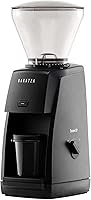
The Opus 2 includes 2 magnetic catch cups, with one for coarser grounds and an espresso cup compatible with 54 mm and 58 mm portafilters. Check your portafilter size before relying on that transfer fit.
A compatible cup helps move grounds into the basket, but distribution still matters. Settle and spread the coffee evenly before tamping so your preparation stays consistent.
A different portafilter size does not automatically rule out the grinder. It means you should plan how to transfer the grounds rather than assume the included espresso cup will fit.
Which grinder fits your counter and care routine?
The Opus 2 is shorter, while the Encore has a smaller footprint along its longer base dimension. Measure both the counter space and the room needed above the grinder.
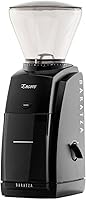
The Encore measures 5.91 x 5.12 x 13.39 in and weighs 5.6 lb. The Opus 2 measures 7.95 x 5.12 x 10.49 in.
Check whether you can open the top, add beans and remove the grounds container under your cabinets. A grinder can fit on paper yet still need to slide forward for everyday use.
Leave space beside it for your scale and brewer, too. That working area matters if you want to weigh grounds and transfer them without crowding the counter.
Do larger burrs settle the choice?
Burr diameter should not decide this purchase on its own. The Encore has 40 mm conical steel burrs, while the Opus 2 has 48 mm conical burrs.
For this choice, adjustment style and daily workflow provide clearer buying guidance than diameter alone. Our guide to what a burr grinder does explains how burr grinding works.
Baratza backs the Encore with a 1-year warranty. Fellow includes a 2-year standard warranty for the Opus 2, with an option to extend it.
How should you set up either grinder?
Start with one brew method, measured coffee and a written recipe. Establish a useful baseline before moving between espresso, pour-over and coarse brewing.
Read the manual before assembly or adjustment, including any directions about moving toward finer settings. Follow the model's instructions rather than forcing a dial or hopper that resists movement.
- Choose your usual brew. Start with the drink you make most often, not the hardest method you hope to learn.
- Measure the recipe. Record coffee weight, water or beverage weight, and the starting grind position.
- Make one brew. Note flavor and flow before changing anything.
- Change one variable. Keep the dose and recipe steady while adjusting grind.
- Save the useful position. Record the Encore setting or note and photograph the Opus 2 dial.
For espresso, aim first for a repeatable recipe rather than chasing a single universal grind size. Our guide to choosing an espresso grind size explains how to use flow and flavor together.
For filter coffee, avoid copying a setting without the rest of the recipe. Coffee amount, water amount and brewing technique all affect what ends up in the cup.
How do you return to a previous brew method?
Keep separate notes for each method and bag of beans. A drip setting and an espresso position are easier to recover when you record them before making a large change.
On a continuous dial, use a clear visual reference instead of relying on memory. On a stepped grinder, record the number along with the recipe so the note remains useful.
After switching methods, weigh the grounds that reach your brewer when consistency matters. Input weight alone does not show exactly how much coffee reached the cup or basket.
Which grinder is easier to clean and maintain?
The Opus 2 provides tool-free burr access, making access for routine cleaning a reason to choose it. Both grinders still need care to remove accumulated grounds and coffee oils.
Fellow says its anti-static technology reduces clinging and scattered grounds. That can help with counter cleanup, but it does not remove the need to clean the grinding area.
Fellow also describes the Opus 2 as having near-zero retention, meaning it is designed to leave little coffee behind. Weighing output remains useful when dialing in a recipe or changing beans.
For routine care, unplug the grinder and follow the manual's directions for removing accessible parts. Use the recommended cleaning method, and keep the motor housing and burr area dry unless the instructions specifically allow otherwise.
Do not assume removable parts are dishwasher-safe. Brush away loose grounds as directed and make sure parts are correctly seated before restarting.
For model-specific steps, use our guide to cleaning a Baratza Encore. Plan deeper cleaning around your use and the manual's guidance, rather than waiting for a visible mess.
What common mistakes should you avoid?
Avoid buying for an imagined routine or changing too many brew variables at once. Either mistake can make a suitable grinder feel like the wrong choice.
- Choosing only by brew range. Covering espresso through cold brew does not tell you how convenient fine adjustments will be.
- Treating a setting as universal. Keep notes for each coffee and recipe, rather than expecting one position to suit every bag.
- Changing grind and dose together. Make one change at a time so you can understand the result.
- Confusing automatic stopping with portion control. Weigh coffee if repeatable strength is the goal.
- Ignoring transfer fit. Confirm your portafilter size before counting on an included espresso cup.
- Skipping access clearance. Leave room to load beans and remove containers, not just enough space for the base.
Also resist buying around burr size while overlooking how you brew. A clear morning workflow is more useful than a specification that does not answer your daily needs.
Who should buy the Baratza Encore, and who should skip it?
Buy the Encore for a filter-first household that wants distinct settings and direct controls. It suits someone who makes a regular pot, switches to French press and wants easy reference points.
It is also a sensible choice if you prefer to control grinding manually. A simple shared recipe can make it easier for several people to use the same grinder.
Skip it if your main goal is to make frequent, tiny espresso corrections. Fixed steps are the central limitation for that buyer, even though espresso falls within its grind range.
If you're still choosing a grinder type, our complete burr coffee grinder buying guide provides the broader buying framework.
Who should buy the Fellow Opus 2, and who should skip it?
Buy the Opus 2 if espresso adjustment is a regular part of your routine and you also want to brew filter coffee. Its continuous dial gives you room to refine a recipe without fixed clicks.
It also fits buyers who value automatic stopping, accessible burrs and the included catch cups. Those features affect preparing, collecting and cleaning up coffee each day.
Skip it if you want fixed setting numbers as your main reference and have no interest in fine espresso adjustments. A continuous dial asks for more careful notes when moving between distant grind positions.
If you only make drip coffee, decide whether its workflow features justify choosing it for that use. You do not need to plan an espresso hobby to make good use of a burr grinder.
Baratza Encore vs Fellow Opus: which should you buy?
For Baratza Encore vs Fellow Opus, let your next month of brewing decide: choose the Encore for repeatable filter routines, or the Opus 2 for regular espresso refinement. Give priority to the drink you make most days.
Before ordering, write down your main brew method, available counter space and preferred start-and-stop routine. Espresso buyers should add portafilter size and adjustment precision to that short checklist.
If the standard Encore is still on your espresso shortlist, read whether the Baratza Encore can grind fine enough for espresso. For a wider shortlist, use our espresso grinder guide to compare options around the same brewing needs.
Frequently asked questions
Is the Baratza Encore or Fellow Opus 2 better for espresso?
The Fellow Opus 2 is the better choice for frequent espresso because its continuous dial allows small grind changes. The Encore can grind for espresso, but its fixed steps may leave you wanting a position between settings when adjusting flow through an espresso puck.
Can the Baratza Encore grind for espresso?
Yes, the Baratza Encore's grind range includes espresso. The buying question is how much adjustment you need: fixed steps offer clear reference points, but you cannot select a position between them.
Choose the Opus 2 if frequent, small espresso corrections are central to your routine.
Does the Fellow Opus 2 have numbered grind settings?
The Opus 2 uses stepless adjustment, so its adjustment positions are not limited to fixed clicks. Use the guide under the lid to find a starting point, then record the dial position that suits your beans and brewer.
A photo can help when returning from another brew method.
Which grinder is easier to clean?
The Fellow Opus 2 offers tool-free burr access for routine cleaning and calibration. That is a useful advantage if easy access matters to you, though both grinders still need regular care.
Unplug the grinder before cleaning and follow its manual for removing parts, brushing grounds away and reassembly.
Should I choose the Encore ESP instead?
Include the Encore ESP in your shortlist if espresso is your main brew method. This comparison covers the standard Encore and Opus 2, so use our Encore vs Encore ESP comparison to assess that separate option before deciding which grinder best matches your adjustment needs.