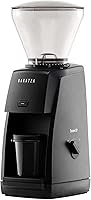
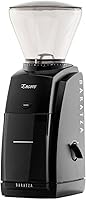
What Is a Single Dose Coffee Grinder?
A single dose coffee grinder grinds one measured portion of beans at a time. Choose an espresso-capable model for shots or a brewed-coffee model for drip and pour-over, then weigh each portion before grinding.
On this page (8 sections)
- How does a single dose coffee grinder work?
- Who benefits from single dosing, and who should skip it?
- Which single dose grinder fits your brew method?
- What should you check before buying?
- How do you set up a single dose routine?
- How much do retention and cleaning matter?
- What mistakes make single dosing harder?
- Which single dose coffee grinder should you choose?
A single dose coffee grinder grinds one measured portion of beans at a time. It suits you if you change coffees often, alternate regular and decaf, or want to measure each brew while keeping the remaining beans sealed.
The main buying decision is your brew method. The Fellow Ode Gen 2 serves brewed coffee, while the MiiCoffee DF54 and DF64 II offer stepless adjustment for espresso.
How does a single dose coffee grinder work?
A single dose grinder takes a weighed portion of whole beans, grinds it, and sends the grounds into a cup or brewer. You load fresh beans for each batch instead of leaving a larger supply above the burrs.
“Single dose” describes the loading routine, not the number of cups you can make. One dose can supply an espresso basket, a pour-over, or a batch brewer, provided the grinder can hold the amount your recipe needs.
If you're new to burrs, what a burr grinder is and how it works explains how they crush beans. The single dose label alone doesn't tell you which grind sizes a grinder can produce.
Can you single dose with a hopper grinder?
You can weigh and load individual portions into a hopper grinder, but the grounds coming out may not match the beans going in. Coffee left inside from an earlier brew can mix with the next portion.
A purpose-built design may include a short grind path, bellows, or a knocker to help move grounds out. These features support the routine, but they don't replace weighing or cleaning.
Who benefits from single dosing, and who should skip it?
Single dosing works best for people who rotate coffees or measure each brew. It gives you control over the beans going into the grinder without first emptying a full hopper.
It also suits a household where one person drinks regular coffee and another chooses decaf. Some carryover can remain, so switching beans doesn't mean the grinder becomes completely free of the previous coffee.
Choose a hopper routine if you use the same beans and want to make several drinks with fewer steps. Weighing each portion and transferring grounds can feel slow during a busy morning.
For occasional coffee drinkers, loading only what you need also keeps the rest of the bag out of the grinder. Store those beans in a sealed container away from heat and light.
Which single dose grinder fits your brew method?
Choose espresso capability first, then compare the controls, size, and cleaning routine. Buying a brewed-coffee grinder with plans to use it for espresso later can leave you needing a second grinder.
MiiCoffee DF54: a single dose coffee grinder for espresso
The DF54 suits espresso drinkers who want fine adjustment in a narrow footprint. Its stepless dial lets you make small changes without being limited to fixed clicks.
It measures 7 x 4.5 x 12 inches and includes a 58 mm transparent plastic dosing cup. Use the cup for transfer, especially if your portafilter isn't 58 mm, rather than assuming it will fit neatly on the rest.
MiiCoffee claims retention below 0.1 g and includes bellows to help clear grounds. The brand requires weekly exit-chute brushing to help prevent clogs and keep the ionizer working well.
Choose it if you expect to adjust espresso recipes and can keep up with that care. Skip it if your priority is automatic shutoff and fixed settings for brewed coffee, or choose the DF64 II if a future burr upgrade matters.
MiiCoffee DF64 II: for espresso buyers planning burr upgrades
The DF64 II suits espresso drinkers who want an upgrade path for different coffee tastes. Its 64 mm stainless steel flat burrs can be replaced with compatible SSP burrs.
It has a 70 g capacity, weighs 15 pounds, and measures 9.84 x 5.12 x 11.81 inches. Give it a permanent counter spot with room above for loading beans and using the bellows.
MiiCoffee claims retention below 0.1 g, and the grinder includes an ionizer to reduce static. Its larger burrs alone aren't a reason to expect better coffee than the DF54; adjustment, beans, and brewing still matter.
Skip it if you won't use the burr upgrade option and prefer the DF54's smaller footprint. For alternatives, compare our best coffee grinders for espresso.
Fellow Ode Gen 2: for brewed coffee without espresso
The Ode Gen 2 suits drip, pour-over, French press, and cold brew drinkers who want numbered settings and automatic shutoff when grinding finishes. It isn't designed for espresso.
Its 100 g load bin can hold a larger brewed-coffee dose, while the guide under the lid gives you starting settings. You still weigh the amount your recipe calls for rather than filling the bin by default.
An anti-static system, built-in knocker, and magnetic catch cup help manage grounds. Fellow says the grind path and knocker reduce leftover coffee between doses.
Choose it for a brewed-coffee station where simple controls matter more than espresso flexibility. Skip it if you plan to add an espresso machine; for more brewed options, see our coffee grinders for pour-over.
What should you check before buying?
Check adjustment, usable space, and grounds transfer before choosing by burr size. These details affect every brew, while a larger burr diameter doesn't establish better grind quality on its own.
Stepless adjustment gives espresso users room for small changes, but returning to an earlier position takes care. Note the setting when switching coffees, and expect to refine it as the beans age.
Numbered settings are easy to record for brewed coffee. For a starting point across methods, use our coffee grind size chart, then adjust based on your brew.
Measure the counter and the space above it. Allow room to remove the lid, pour beans, operate any bellows, and lift the catch cup without hitting a cabinet.
Also think through how grounds reach your brewer. A dosing cup adds a transfer step, so check its fit with your portafilter or use a funnel to help contain spills.
Our burr coffee grinder buying guide covers the broader choices if you're still deciding between grinder styles.
How do you set up a single dose routine?
Start with a scale, a repeatable recipe, and the grinder's instructions. Keeping the dose steady makes it easier to judge a grind change.
- Put the grinder on a dry, stable surface and confirm that the cup is in place.
- Choose an initial setting from the grinder's guide, following its directions for adjusting the burrs.
- Tare a container on your scale and weigh the beans your recipe needs.
- Grind, use the supplied clearing feature as directed, and weigh the collected grounds.
- Brew and record the dose, grind setting, and result before changing anything.
For espresso, keep the dose and beverage yield steady while adjusting grind size. A finer setting generally slows flow, while a coarser setting generally speeds it up.
Use our espresso grind-size guide to understand that adjustment. For brewed coffee, keep water amount and pouring method steady so you can judge the grind change.
How much do retention and cleaning matter?
Retention matters most when you switch coffees or need repeatable doses. Weighing beans and grounds helps reveal losses, but equal weights don't prove the grinder is empty: old grounds can leave as new grounds stay behind.
A tiny difference on one brew isn't a reason to keep adding beans. Look for a pattern across several doses and check for buildup if output drops or static becomes worse.
Keep loose grounds off the cup rim and transfer path so they don't become spills. Follow the model's cleaning schedule, unplug before opening or brushing it, and keep water away from the burr chamber and motor.
Our guide to cleaning a burr grinder explains routine care. Don't use liquid cleaners or wash grinder parts unless the manufacturer's instructions allow it.
What mistakes make single dosing harder?
The most common mistake is changing several brew variables at once. If you alter the dose, grind, and water amount together, you won't know which change helped.
Avoid these other habits:
- Treating a saved setting as exact: Use it as a starting point when returning to a coffee.
- Choosing only by burr size: Match the brew range and routine before comparing diameter.
- Ignoring chute buildup: Static control doesn't remove the need to clean.
- Overfilling for batch coffee: Stay within the grinder's capacity and split the dose if needed.
Which single dose coffee grinder should you choose?
Choose the Ode Gen 2 for brewed coffee, the DF54 for a compact espresso setup, or the DF64 II for espresso with a burr upgrade path. Buy for the drinks you make regularly and the maintenance you'll actually do.
Before choosing a single dose coffee grinder, picture the full routine: weigh, grind, clear, transfer, and brew. If espresso is your main use, compare the best budget espresso grinders to decide which controls and features deserve space on your counter.
Frequently asked questions
What does single dose mean on a coffee grinder?
Single dosing means loading only the beans needed for one brew, rather than keeping a supply in the hopper. You weigh the beans, grind them, and collect the grounds.
It makes changing coffees easier, but some grounds can remain inside, so input and output weights may differ.
Is a single dose grinder good for espresso?
A single dose grinder suits espresso when it can grind fine enough and offers small enough adjustments to control the shot. The DF54 and DF64 II have stepless adjustment for espresso.
The Fellow Ode Gen 2 is for brewed coffee, so choose it for drip or pour-over instead.
Do single dose coffee grinders reduce waste?
Single dosing can reduce waste by letting you measure only the beans needed for each brew and keep the rest sealed. It doesn't remove all waste: grounds can remain inside, spill during transfer, or be used while dialing in.
A consistent routine and regular cleaning help you manage those losses.
How much coffee should I weigh for one dose?
Use the coffee weight your recipe requires, rather than filling the grinder's load bin. For espresso, start with a dose suited to your basket; for brewed coffee, calculate it from your coffee-to-water ratio.
For example, a 1:16 ratio uses 20 g of coffee with 320 g of water.