6 Best Coffee Grinders for Home (October 2026)
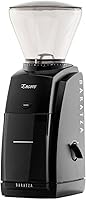
The best home coffee grinders include the OXO Brew Conical Burr Grinder for everyday batch brewing, the Baratza Encore for exploring brew methods, and the Cuisinart Supreme Grind DBM-8 for shared coffee pots.
On this page (10 sections)
- Which is the best coffee grinder for home use?
- Best home coffee grinders by use
- How should you choose a grinder for your main brewer?
- Which controls and capacity will make mornings easier?
- How much counter space does a home grinder need?
- How do you set up a new coffee grinder?
- Is a burr grinder better than a blade grinder for home coffee?
- How do you keep a home coffee grinder clean?
- What mistakes should you avoid when buying and using a grinder?
- Which is the best coffee grinder for home?
The OXO Brew Conical Burr Grinder is the best coffee grinder for home use if you make regular batches and want a simple morning routine. Choose the Baratza Encore to explore different brewers, or the OXO Brew Compact Conical Burr when counter space comes first.
Start with the coffee you make most often, rather than the longest feature list. A shared drip pot, a single pour-over and an espresso machine place different demands on adjustment, batch size and dosing.
If you're new to burr grinders, start with our complete home buying guide to burr coffee grinders. For method-specific picks, compare the guides to drip coffee grinders and pour-over grinders.
Our picks at a glance
-
1

-
2

-
3

Which is the best coffee grinder for home use?
The OXO Brew Conical Burr Grinder is the strongest all-round choice here for a household with a steady daily coffee routine. Its remembered timer setting makes repeat batches simple without adding a screen or several dosing controls.
We compared grind adjustment, useful batch size, daily controls, cleaning access and counter space. The picks below cover different routines, so a lower-ranked model can still be the better match for your kitchen.
Give your main brew method the most weight. Occasional cold brew should not decide your grinder if nearly every morning starts with espresso.
| Product | Best for | Grind settings | Bean capacity | Burrs | Our score |
|---|---|---|---|---|---|
| OXO Brew Conical Burr Grinder | everyday batch brewing | 15 plus 43 micro-adjustments | 12 oz | 40 mm stainless steel conical | 9.1 |
| Baratza Encore | exploring brew methods | 40 | 8.9 | ||
| Cuisinart Supreme Grind DBM-8 | shared coffee pots | 18 | 8 oz | 8.4 | |
| OXO Brew Compact Conical Burr | small kitchens | 15 plus 29 micro-adjustments | 50 g | 8.3 | |
| Breville Smart Grinder Pro | repeatable timed doses | 60 | 8.1 | ||
| Fellow Opus 2 | espresso recipe adjustments | 48 mm conical | 7.9 |
Best home coffee grinders by use
Choose the controls and capacity you'll use every day. The OXO leads for repeat batches, while the other options solve more specific needs such as a shared pot, limited space or fine espresso adjustment.
OXO Brew Conical Burr Grinder: Best for everyday batch brewing
- 15 grind settings and 43 micro-adjustments
- 12 oz bean hopper
- One-touch start remembers the last setting
- UV-blocking hopper tint
The remembered timer setting makes repeated morning batches simple. Choose it for a steady coffee routine with room for a full-size grinder.
Pros
- Remembered timer setting reduces daily setup
- Removable hopper for refilling
- Adjustable fine-to-coarse range
Cons
- Needs more clearance than the compact OXO
- Timed grinding does not measure coffee weight
OXO Brew Conical Burr Grinder for everyday home coffee
Buy the OXO if you want beans ready for several brews and a timer setting you can reuse. Its 12 oz removable hopper suits a household that stays with the same coffee rather than switching beans for each cup.
The adjustment system has 15 main settings plus 43 micro-adjustments. That gives you room to move between brew styles and refine a setting without making the controls the center of your morning.
The remembered timer is most useful after you establish how much coffee a run produces. Weigh a few doses during setup, then keep the same beans and grind setting when you want a similar amount.
OXO says the UV-blocking hopper tint shields beans in sunny kitchens. Still, keep the grinder away from direct sun and load only what you'll use reasonably soon; a hopper is a working supply, not long-term storage.
Skip it if espresso adjustment is your main buying reason or you prefer weighing a different coffee for every brew. Compare the best coffee grinders for espresso before choosing an all-purpose grinder for a demanding espresso routine.
Baratza Encore: Best for exploring brew methods
- 40 grind settings
- 40 mm hardened alloy steel conical burrs
- Front-mounted pulse button
- Simple on/off switch
Numbered settings and manual controls suit home brewers learning how grind size changes a cup. Choose it if you prefer direct control over a programmed dose.
Pros
- Numbered settings help record recipes
- Pulse button for short runs
- Straightforward on/off control
Cons
- No programmable dosing timer among its controls
- Taller than either OXO model
Baratza Encore for learning different brew methods
Buy the Encore if you want to learn grind adjustment with clear numbered positions and direct controls. Its 40 settings give you reference points to record as you move between drip, AeroPress, pour-over and French press.
The front pulse button suits short runs, while the on/off switch handles a longer grind. That arrangement makes sense if you prefer deciding when to stop instead of programming a timer.
Keep a short recipe note for each brewer, including coffee weight, water amount and grind position. Returning to the same number gives you a starting point, though a new bean may still need adjustment.
The Encore stands 13.39 in tall, so check overhead access as well as its footprint. Baratza backs it with a 1-year warranty.
Skip it if saving a timed dose is essential, or if espresso is the main reason you're buying. A broad fine-to-coarse range alone does not establish how closely a grinder can tune a particular espresso recipe.
Our Baratza Encore grind settings guide can help you choose a first position. Use those suggestions as starting points, then let flow and flavor guide the next change.
Cuisinart Supreme Grind DBM-8: Best for shared coffee pots
- 18 grind levels
- 4 to 18 cup selector
- 8 oz bean hopper
- Automatic shutoff
A cup selector and automatic shutoff suit households brewing a shared pot. Treat the cup setting as a starting point and adjust the amount to your brewer.
Pros
- Batch selector simplifies shared-pot prep
- Stops automatically after its cycle
- Removable hopper and grounds chamber
Cons
- Cup selector starts at 4 cups
- Wider footprint than the compact OXO
Cuisinart Supreme Grind DBM-8 for a shared pot
Buy the Cuisinart if your usual task is grinding for a shared coffee pot. Its 4 to 18 cup selector and automatic shutoff suit people who want to select a batch and let the cycle finish.
The cup marks are a convenience, not a universal coffee recipe. Brewer cup sizes and preferred strength vary, so weigh the output during setup and find the selection that matches your household's pot.
Its 18 grind levels provide fixed positions, and the removable hopper holds 8 oz of beans. The separate grounds chamber can hold more than one small brew needs, but grinding ahead gives up some freshness.
The removable chamber and included brush help with emptying and routine care. The safety interlock prevents operation unless the grinder is properly assembled, so check that parts are seated before assuming something has failed.
Skip it if you mainly make one small cup or want fine espresso adjustments. The batch selector starts above a single serving, and selecting a smaller amount by weight may suit that routine better.
For the difference between crushing beans with burrs and chopping them with blades, read what a burr grinder is and how it works.
OXO Brew Compact Conical Burr: Best for small kitchens

- 15 settings and 29 micro-adjustments
- 50 g bean capacity
- About 11 in tall and 4 in wide
- Upper and lower burrs come apart for cleaning
The narrow body fits a small coffee station, while the pouring spout helps transfer grounds. Choose it for smaller batches rather than repeated large pots.
Pros
- Narrow body saves counter space
- Accessible burrs simplify care
- Grounds container has a pouring spout
Cons
- Small hopper requires more refills for large batches
- Less convenient for several back-to-back pots
OXO Brew Compact Conical Burr for a small coffee station
Buy the compact OXO when a narrow coffee station matters more than storing several batches of beans. Its body measures 3.75 x 3.75 x 10.75 in, leaving a small footprint beside a brewer.
The 50 g hopper suits modest batches, while 15 settings and 29 micro-adjustments let you change grind size. Use your recipe's coffee weight to judge capacity rather than counting mugs, since mug size and brew strength vary.
The grounds container has a pouring spout, useful when transferring coffee into a filter or a brewer with a narrow opening. Pour slowly and keep the container close to the receiving vessel to limit spills.
Both burrs come apart for cleaning, and the chuteless design provides access to the grinding area. OXO directs you to wipe the body and hopper with a damp cloth, then wash and fully dry the grounds container.
Skip it if you regularly prepare large pots back to back. Repeated loading can outweigh the space savings when several people need coffee at once.
If grounds stop dispensing, why an OXO grinder may not be grinding offers troubleshooting steps. Follow the compact model's own care instructions for disassembly.
Breville Smart Grinder Pro: Best for repeatable timed doses

- 60 grind settings
- Grind time adjustable in 0.2 second increments
- LCD shows setting, time and selected shots or cups
- Grinds into a portafilter or container
Programmable grind time and a clear display suit buyers who want to save a dosing routine. Several receiving options support espresso and filter coffee prep.
Pros
- Fine control over programmed grind time
- Display makes settings easy to record
- Two portafilter cradles included
Cons
- Timer controls duration rather than measuring weight
- Tall body needs cabinet clearance
Breville Smart Grinder Pro for programmed coffee prep
Buy the Breville if you want to save a grind duration and see your choices on a display. It combines 60 grind settings with time adjustments in 0.2-second increments.
The LCD shows grind position, duration and selected shots or cups. Those visible values help you record a recipe and spot an accidental change before the next brew.
You can grind into a portafilter, container, gold tone filter basket or paper filter. The included cradles cover 50 to 54 mm and 58 mm portafilters, giving espresso users a way to position compatible equipment.
Remember that time controls the run, not the weight. Changing beans or grind size can change the amount delivered in the same duration, so check the dose again whenever you make either change.
The 18 oz hopper suits a larger working supply, and the body stands 15.33 in tall. Allow extra space above it for refilling rather than measuring cabinet clearance against the closed lid alone.
Skip it if you want one simple control for daily drip coffee. The drip coffee grinder guide can help you decide which features earn their place in that routine.
Fellow Opus 2: Best for espresso recipe adjustments

- Stepless grind adjustment
- 48 mm conical burrs
- Two magnetic catch cups
- Automatic shutoff
Continuous adjustment suits espresso drinkers who need small changes between brews. Separate catch cups support coarse grounds and transfer to compatible portafilters.
Pros
- Continuous grind-size adjustment
- Magnetic cups locate securely
- Tool-free burr access
Cons
- Returning to a precise position takes care
- Espresso cup compatibility is stated for 54 mm and 58 mm portafilters
Fellow Opus 2 for small espresso changes
Buy the Fellow Opus 2 if you want continuous grind adjustment rather than fixed clicks. That suits espresso recipes where one position runs too fast and the next fixed step would go too far.
Its 48 mm conical burrs cover espresso through coarser brew methods. A guide under the lid supplies starting points, while automatic shutoff handles the end of the grinding cycle.
Two magnetic catch cups serve different uses, including an espresso cup compatible with 54 mm and 58 mm portafilters. Confirm your equipment size before building a transfer routine around that cup.
Fellow says its anti-static technology reduces clinging grounds and its design minimizes coffee retained inside. Those features suit people who change beans, though weighing the output remains useful when you need a precise dose.
Tool-free burr access helps with cleaning and care. Record your adjustment position before switching brew methods, since returning to a continuous dial position takes more attention than selecting a numbered click.
Skip it if fixed positions already give you all the control you need. For espresso, our espresso grind size guide explains how to connect small changes with shot flow.
How should you choose a grinder for your main brewer?
Choose around the method you use most often, then check whether the grinder can cover your occasional brews. Trying to give every possible method equal weight makes a simple choice harder.
Drip coffee and pour-over need repeatable recipes
Start with a grinder that lets you return to a useful medium range. Numbered positions help you record changes, but the number printed on one grinder will not match the same number on another.
For pour-over, grind size also affects how quickly water passes through the bed. Keep your pouring pattern and water amount steady while adjusting, or you won't know which change helped.
French press and cold brew need suitable coarse adjustment
Choose enough capacity for your actual recipe, especially if you make a large cold-brew batch. A small hopper can still do the job, but multiple loads add work.
Coarse does not mean the largest setting is always right. Very large particles can leave a brew weak even after a long steep, so adjust from a method-specific starting point.
Espresso needs small, useful changes
Prioritize adjustment control and a convenient dosing routine if espresso is your daily drink. The word “fine” does not tell you how well the available adjustments fit your basket, beans and recipe.
A traditional nonpressurized basket depends heavily on grind size to control flow. A pressurized basket is generally more forgiving, so check your machine's basket type before deciding how much adjustment you need.
If you switch between espresso and filter coffee every day, record both recipes. Expect to check the dose and flavor when returning to either method, especially after changing beans.
Which controls and capacity will make mornings easier?
Choose batch convenience or measured-dose control according to how you brew. A timer or cup selector reduces daily steps, while weighing beans gives you a clearer starting amount.
Hopper brewing suits a shared routine
Keeping a working supply in the hopper makes sense when several people drink the same coffee. It reduces repeated loading and pairs well with a saved timer or familiar batch selection.
Do not fill a large hopper simply because the space is available. Keep the rest of your beans sealed away from heat, light and moisture.
Weighing each dose suits frequent bean changes
Measuring beans for one brew helps when you alternate between regular and decaf or use different coffees. It also makes small recipes easier to repeat.
This approach does not make every grinder a purpose-built single-dose machine. Our single-dose coffee grinder guide explains the routine and why leftover grounds inside the grinder matter.
Cup selectors and timers need an initial check
A cup setting is not a standard weight, and a timed run is not a scale. Measure the output, brew with it, then change the amount to match your preferred coffee-to-water ratio.
Keep dose and grind size separate in your notes. The dose controls how much coffee you use; the grind controls particle size and affects how water extracts flavor.
How much counter space does a home grinder need?
Measure working clearance as well as body dimensions. You need room to refill beans, pull out the grounds container and reach parts for cleaning.
Check the space beneath cabinets with the grinder in its intended spot. A model that fits with its lid closed may still need to slide forward for daily use.
Leave a clear route from the grounds container to the brewer. An awkward transfer across a crowded counter can be more annoying than a slightly larger footprint.
If you'll store the grinder after every brew, consider its weight and cord management. Choose a location with a stable, dry surface so setting up coffee does not require rearranging the kitchen.
How do you set up a new coffee grinder?
Start with one bean, one brewer and a measured recipe. Keeping those fixed makes the first grind adjustment useful rather than a guess.
- Read the grinder's setup instructions. Check assembly, remove packing materials and follow its directions for cleaning removable parts before use.
- Choose a starting grind. Use the brewer's guidance or a method-specific reference rather than copying a number from a different grinder.
- Measure coffee and water. Follow your brewer's recipe initially, then record the amounts so you can repeat them.
- Make one brew and assess it. Note flavor and, for percolation methods such as pour-over, how the water flows.
- Change one variable. Move grind size a little, brew again with the same dose and compare.
A sour, thin cup can point toward too little extraction; a dry, harsh cup can point toward too much or uneven extraction. Roast, water and technique also affect flavor, so use these clues alongside flow rather than as strict rules.
For practical texture references, use the coffee grind size chart. If espresso is your focus, compare the best coffee grinders for espresso before committing to a model.
Follow the grinder's directions when moving toward a finer setting, especially with beans between the burrs. Do not force a resistant adjustment dial.
Is a burr grinder better than a blade grinder for home coffee?
A burr grinder is the better fit for repeatable home brewing because you can select the gap through which coffee passes. A blade grinder chops beans, making the final mix depend more on run time and movement.
Burr grinding still produces particles of different sizes. The useful difference is having a controlled adjustment you can return to when improving a recipe.
You also gain a clearer way to correct the next brew. Instead of guessing how much longer to chop, you can move the adjustment and hold the coffee amount steady.
Read our burr vs blade grinder comparison if you're deciding whether the change fits your routine.
How do you keep a home coffee grinder clean?
Remove loose grounds and oily residue regularly, following the care directions for your model. Unplug the grinder before reaching into it or removing parts.
Empty the grounds container after brewing instead of leaving old coffee in it. Brush accessible dry grounds away before they pack into corners or the discharge area.
Wash only the parts the manufacturer allows you to wash. Keep water away from the motor and burr chamber, and dry permitted washable parts fully before reassembly.
Oily beans can leave more residue, while frequent use moves more coffee through the grinding path. Let visible buildup and your usage guide cleaning frequency alongside the manual.
For a fuller routine, follow our guide to cleaning a burr coffee grinder. Avoid rice or household cleaning substitutes unless the grinder's instructions specifically permit them.
If grinding slows or coffee stops emerging, switch off and unplug before inspecting accessible areas. Check assembly and blockages according to the manual rather than repeatedly running the motor.
What mistakes should you avoid when buying and using a grinder?
Avoid choosing by setting count alone. Adjustment range, spacing and the controls you actually use matter more than which model has the largest number.
- Buying for an occasional brew. Give your daily method priority over a drink you make a few times a year.
- Confusing capacity with a recommended dose. Hopper size tells you what fits, not how much coffee belongs in your brewer.
- Changing several things at once. Keep water, dose and technique steady while finding a better grind.
- Grinding tomorrow's coffee today. Whole beans keep their aroma better than grounds, so grind close to brewing.
- Ignoring transfer and cleanup. Check how you'll empty the container, reach the burrs and keep the surrounding counter usable.
Another common mistake is blaming every unpleasant cup on grind size. Stale coffee, unsuitable water or a dirty brewer can limit the result even when the grinder is set well.
Which is the best coffee grinder for home?
Choose the OXO Brew Conical Burr Grinder if your main goal is a repeatable morning batch with few daily steps. Pick the Baratza Encore if you want direct controls while learning different brew methods.
For a shared pot, the Cuisinart's batch selector is the deciding feature. For a tight kitchen and smaller brews, choose the compact OXO.
Choose the Breville when saved grind time and a visible dosing routine will help you. Choose the Fellow Opus 2 when continuous adjustment matters more than returning to fixed clicks.
The best coffee grinder for home is the one that fits your main brewer, dose and available space. Use our burr coffee grinder buying guide to settle those choices before adding features you may never use.
Our top 3 picks at a glance
-
1
-
2
-
3
Frequently asked questions
What type of coffee grinder is best for home use?
A burr grinder is the best fit for most home brewing because it gives you repeatable grind adjustments. Match its controls and batch capacity to your main brewer, then consider counter space and cleaning access.
A blade grinder chops beans into a less even mix, making grind size harder to repeat.
How many grind settings do you need in a home coffee grinder?
You need a useful range for your brewer and small enough changes to improve the cup. More settings do not automatically mean better grinding, and counts are not directly comparable across models.
Use a coffee grind size chart for your starting texture, then adjust through brewing.
Is a conical burr grinder good for everyday coffee?
Yes, a conical burr grinder is a practical choice for everyday drip, pour-over and French press coffee. Useful adjustment, manageable batch size and simple cleanup matter more than burr shape alone.
The OXO Brew Conical Burr Grinder and Baratza Encore both offer adjustable conical burr grinding for home brewing.
Can one home grinder handle espresso and drip coffee?
One grinder can cover espresso and drip if its range and adjustment suit both brewers. Espresso needs small changes because grind size strongly affects water flow through the coffee.
Switching methods also means recording settings and managing leftover grounds; compare our best coffee grinders for espresso if espresso is your priority.
How do you choose a coffee grinder for a small kitchen?
Measure the usable space, including room above the grinder for refilling and in front for removing grounds. A narrow body helps only if you can reach its controls and containers.
The OXO Brew Compact Conical Burr suits smaller batches, while its limited hopper capacity means more refills for larger pots.